
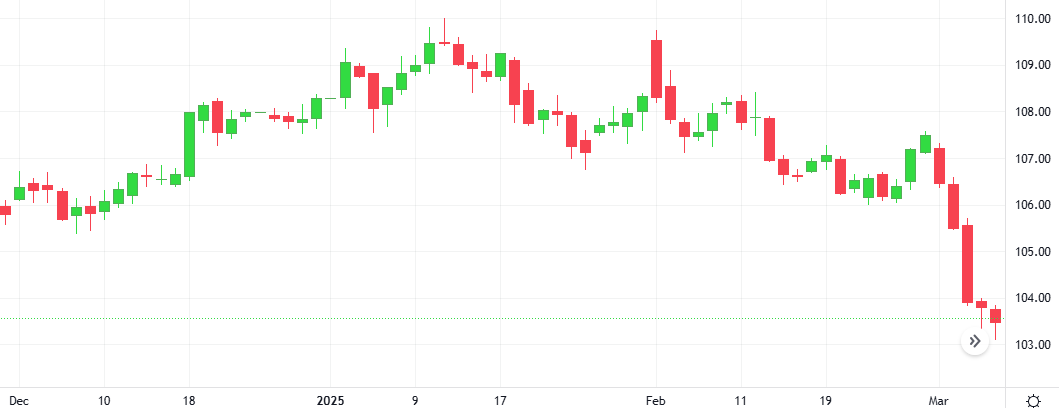
The U.S. dollar dropped to multi-month lows against the euro and yen and fell versus most currencies to end last week after data showed the labor market in the world’s largest economy slowed last month, creating fewer jobs than expected.
The U.S. dollar dropped to multi-month lows against the euro and yen and fell versus most currencies to end last week after data showed the labor market in the world’s largest economy slowed last month, creating fewer jobs than expected.
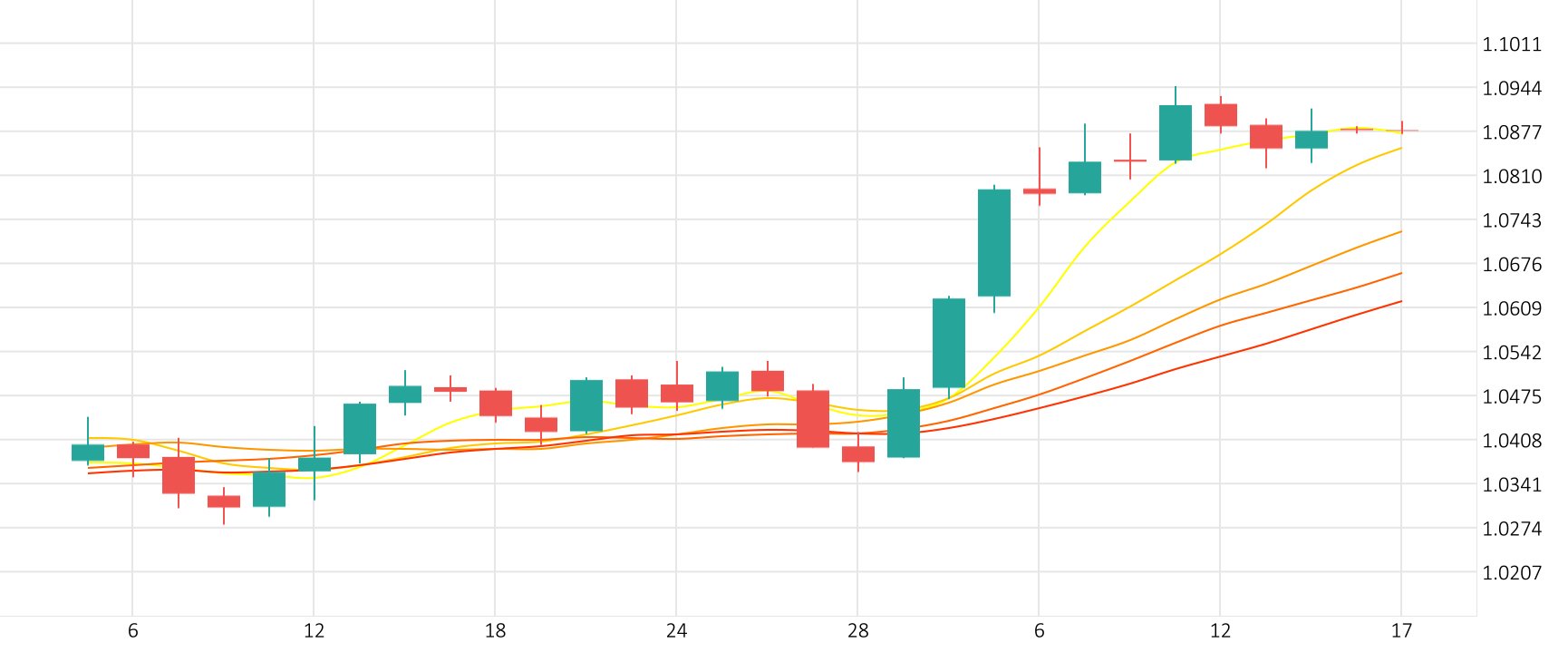
The euro hit four month highs against the U.S. dollar, as Europe’s growth prospects improved after Germany’s proposed 500-billion euro infrastructure fund, potentially offsetting global trade tensions. The single currency is up nearly 3.7% this week, already on track for its best week since November 2022.
The Euro-Dollar pair exploded 1.4% in the last session. The Ultimate Oscillator is giving a positive signal.
Support: 1.0466 | Resistance: 1.1027
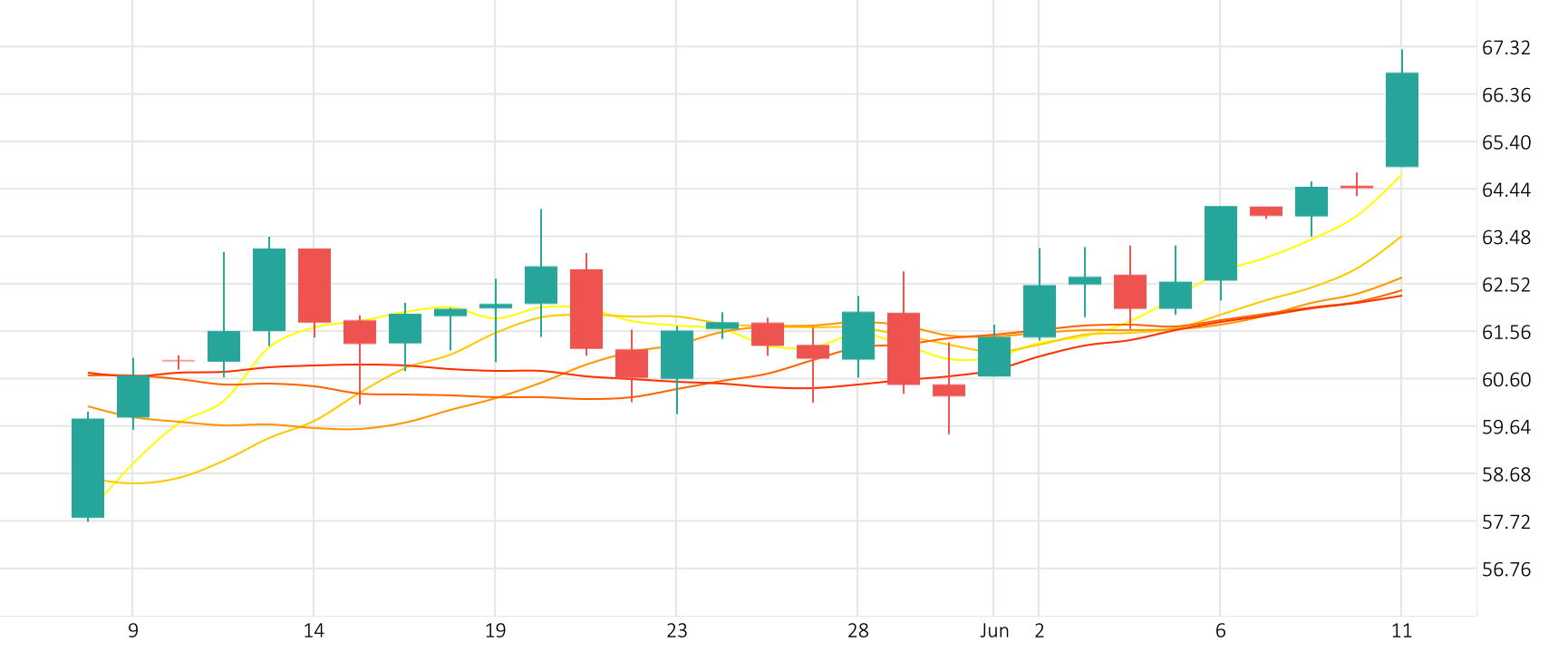
Global benchmark Brent was down nearly 3%, recovering slightly from a three-year low hit earlier in the session, after U.S. crude oil stockpiles posted a larger-than-expected build, adding a further headwind as investors worried about OPEC+ plans to increase output in April and U.S. tariffs on Canada, China and Mexico.
After a 4.0% dip during the last session, the Oil-Dollar pair closed with a 2.5% drop. The ROC is giving a negative signal.
Support: 61.942 | Resistance: 70.402

A trade group representing nearly all major automakers warned that new 25% tariffs on imports from Canada and Mexico imposed by U.S. President Donald Trump will lead to drastic price hikes.
The euro rallied against the U.S. dollar, hitting it’s three-month high after Germany’s conservatives and Social Democrats announced proposals to set up a 500 billion euro fund for infrastructure and overhaul borrowing rules aimed at increasing defense spending.
The last session saw the Euro gain 0.9% against the Dollar. The RSI is giving a positive signal.
Support: 1.0389 | Resistance: 1.0755
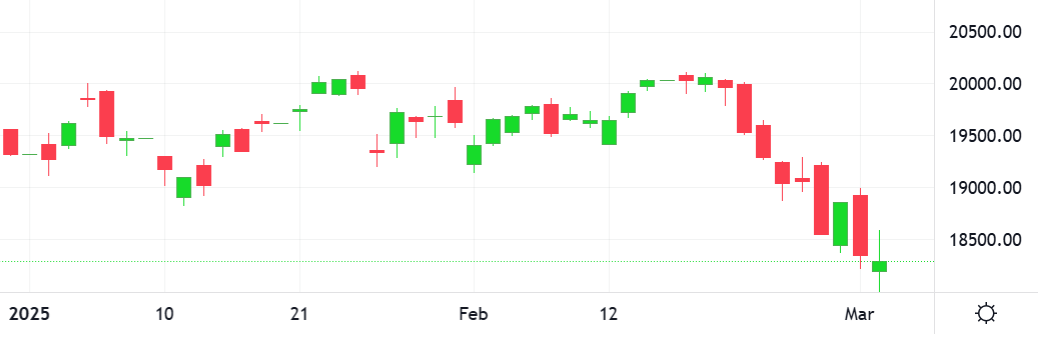
Wall Street’s main indexes fell, with the tech-heavy Nasdaq on course to confirm a correction, as investors feared that an escalating trade war between the U.S. and its partners could damage the country’s economy.