
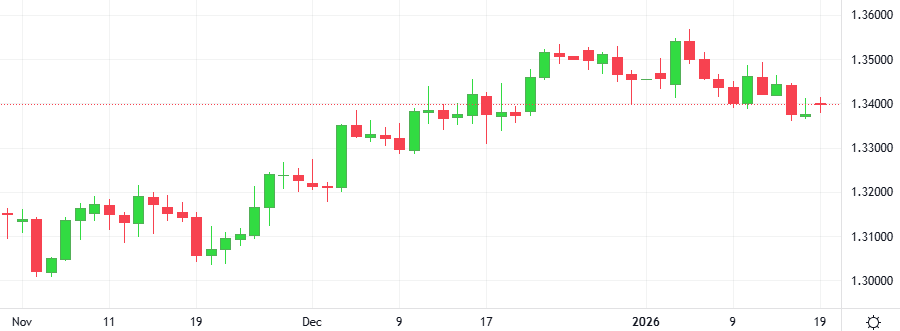
Sterling rose to end last week, and notched its fifth consecutive weekly rise against the euro, after data this week showed that the British economy grew more strongly than expected in November.
Sterling rose to end last week, and notched its fifth consecutive weekly rise against the euro, after data this week showed that the British economy grew more strongly than expected in November.
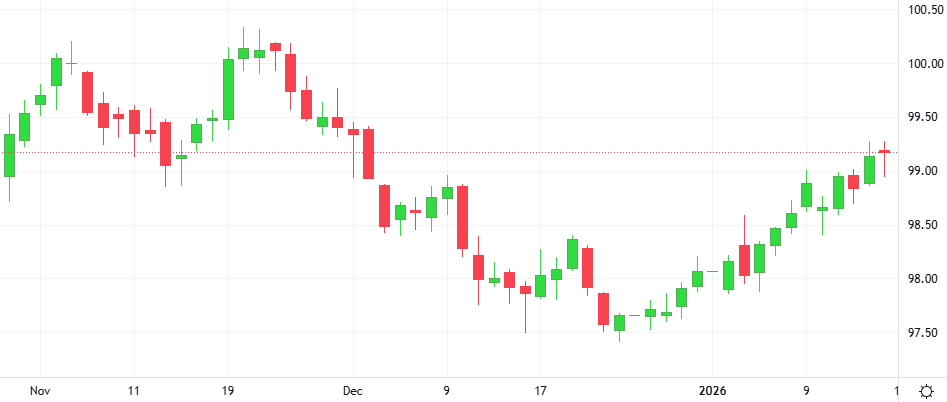
The dollar rose after data showed that the number of Americans filing new applications for unemployment benefits unexpectedly fell last week, further boosting expectations that the Federal Reserve will keep rates on hold for the next several months.
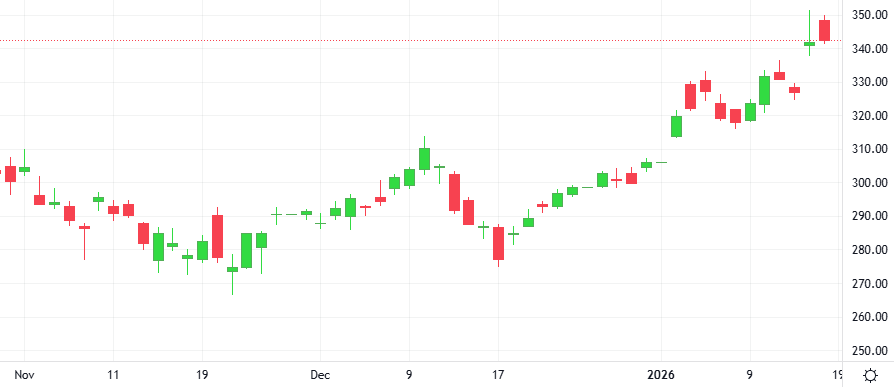
TSMC, the world’s main producer of advanced AI chips, posted a forecast-smashing 35% jump in fourth-quarter profit to a record high, predicted robust annual growth and flagged more U.S. manufacturing capacity was in the works.
Wall Street’s main indexes snapped back, lifted by a chip-fueled surge after TSMC’s blockbuster results, while investors combed through earnings from Morgan Stanley and Goldman Sachs to close the book on big banks’ reporting season. Chip stocks such as Nvidia rose 2.5%, while Broadcom and Micron gained 2.3% and 3%, respectively.
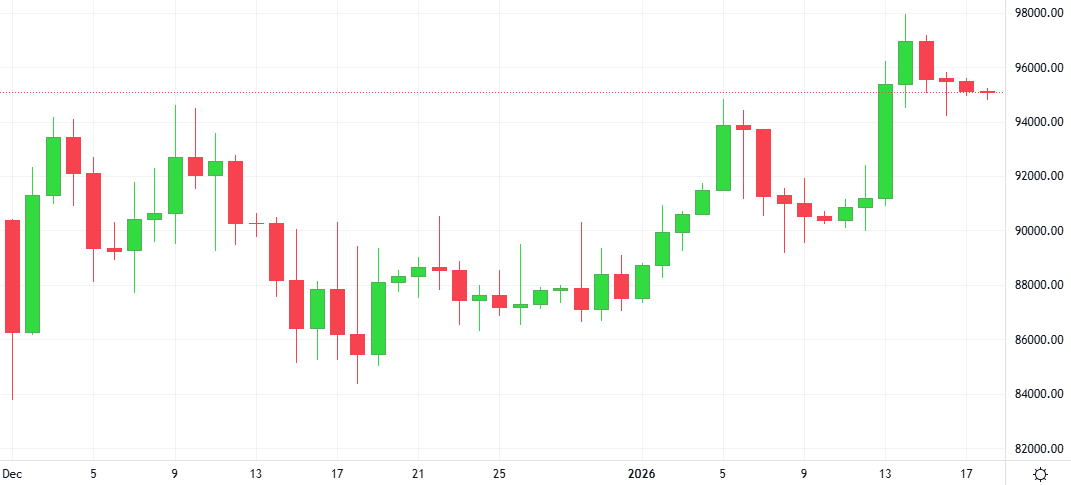
Bitcoin exchange-traded funds have seen strong inflows for three consecutive days, reversing earlier January losses. Spot Bitcoin ETF inflows topped $843 million on Wednesday, marking the largest single-day inflows of 2026 so far.

U.S. retail sales increased more than expected in November as motor vehicle purchases rebounded and households boosted spending elsewhere, suggesting the economy maintained its strong pace of growth in the fourth quarter.

U.S. lawmakers and former officials questioned President Donald Trump’s decision to allow Nvidia to sell its second most powerful AI chips in China, arguing the move erodes America’s AI edge and threatens to electrify Beijing’s military.